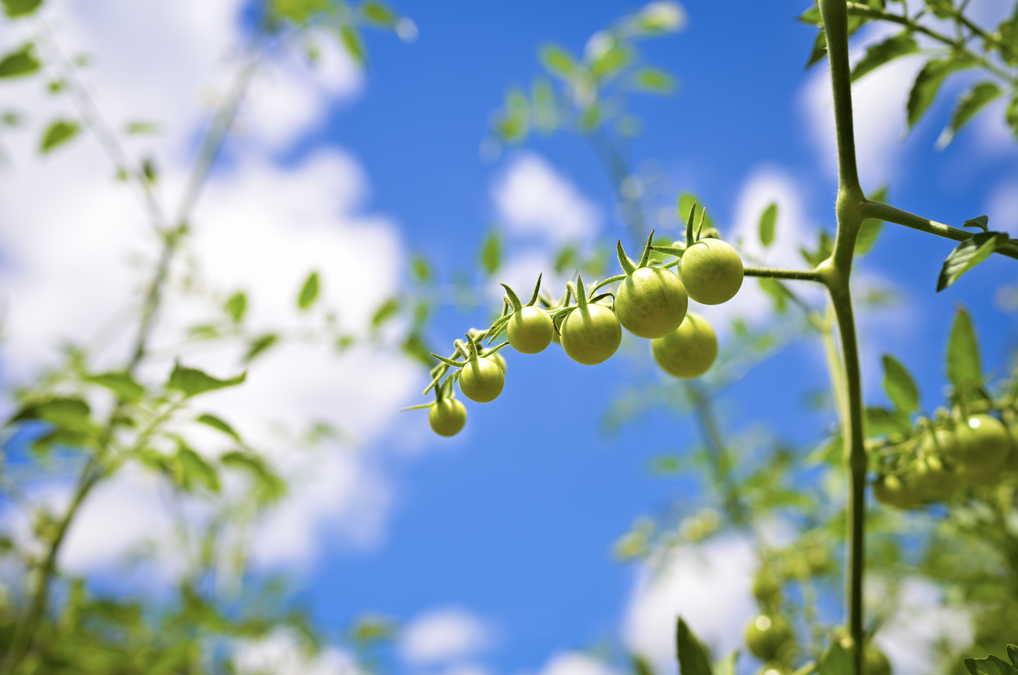
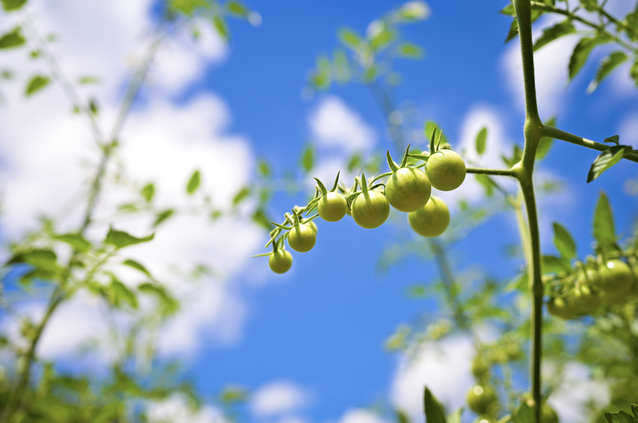
As Georgia’s tomato season ripens across the state, it serves as a perfect reminder of how local farms contribute to a more sustainable and trustworthy food system.
With a recent rise in import tax on most Mexican tomatoes, the role local farms play in the community is brought to light. Emory University’s Oxford College Organic Farm is hard at work in providing that transparency with locals and students.
Lead farmer/educator at Emory University’s Oxford College Organic Farm, Daniel Parson, who has worked on the farm for the past 11 years, discussed their goal at the farm and how locally grown tomatoes surpass imported tomatoes in terms of flavor and freshness.
Locally grown produce can deliver environmental and nutritional benefits that Parson says imported produce cannot match.
“The key difference is that typical tomatoes you find in the grocery store are picked green,” Parson said. “So, they are just hard green, then they are ripened artificially, and you don’t get that full flavor. As long as a tomato blushes and starts to turn color, out here, it’s going to develop full flavor.”
For shipping purposes, imported tomatoes are picked green, so they last in grocery stores. The major difference Parson pointed out was that Georgia-grown tomatoes are picked just before fully ripening, so they have more time to develop.
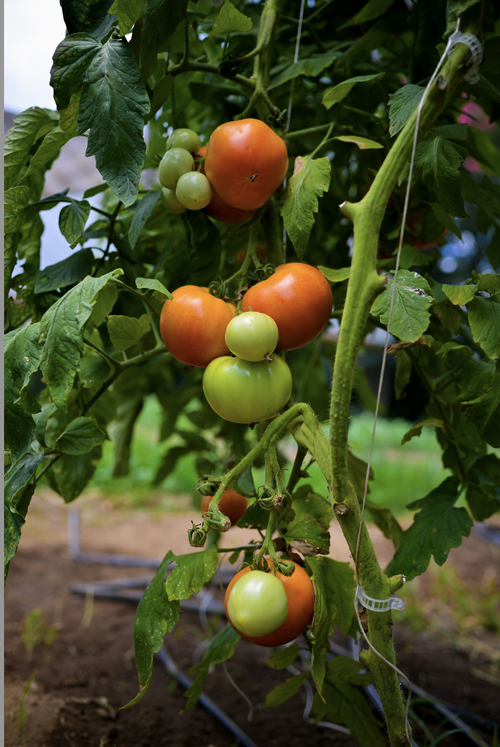
“Tomatoes have always been in the kind of farming I do because you can’t get this kind of tomato in the grocery store,” Parson said. “It’s just not like home-grown tomatoes.”
Another benefit of local produce, Parson mentioned, is that locally grown food is much safer than imported goods because local products are not affected by global supply chains.
“We are not as subject to the whims of global trade,” Parson said. “We have this recent tomato tariff that’s affected tomatoes, and there are other policies and things that occur in global trade that don’t affect us.
“For example, if there is a big food recall, like often there’s a nationwide lettuce recall, we’re just unaffected by that. The problems associated with that are, there are certain regions where our lettuce is grown and is processed, and there are very few processing houses; so a problem occurs, and that becomes a nationwide issue. But for us, we’re growing here and just giving to the customer.”
The Oxford College Organic Farm gives straight back to the community with its Community Supported Agriculture Program and connection with the Oxford Farmers Market. The tomatoes and other crops grown at the farm go straight to the college’s dining hall or the local market.
According to Parsons, the farm is certified organic, meaning they only use organic or natural supplements with their crops, thus ensuring more environmentally friendly and health-conscious produce.
“Our main approach is through cultural methods,” Parson said. “Cultural methods are like things you do in the growing, so things like variety selection, more resistant varieties, and in fact, out here, pretty much all of these are disease-resistant varieties.”
The variety of tomatoes is vast at the farm. From heirloom tomatoes like Cherokee Purple, Rose to Burn and Striped German to row after row of little Sungolds, the Oxford College Organic Farm has an overabundance of tomato varieties.
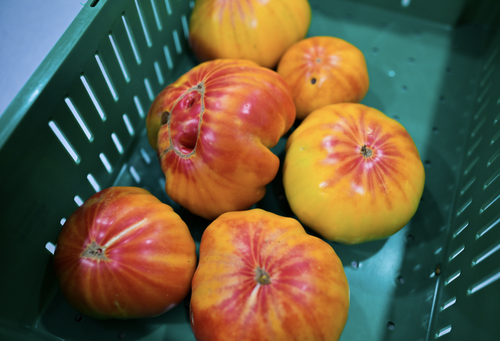
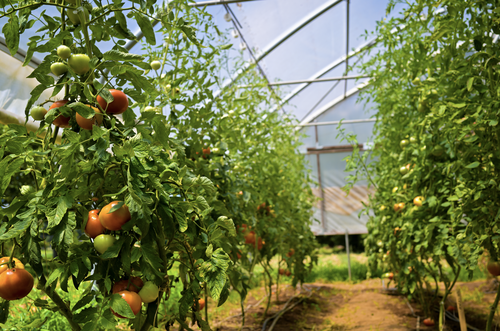
The farm also puts a lot of effort into their tomatoes and other crops with things like crop rotation and using cover crops to enrich the soil and bring in beneficial insects. They also put gaps in between the rows of tomatoes to allow for airflow to help prevent disease. And planting in high tunnels allows them to harvest about a month early for a larger harvest of locally-grown tomatoes.
“Diversity is really a key to how we do our farm,” Parson said. “And that is like the diversity of tomato varieties, apple varieties, growing lots of different crops rather than a monoculture. And then having habitat areas as well, where we’re not growing crops to bring in that biodiversity.”
The farm starts almost everything from seed. They even make their own potting mix filled with nutrients and everything seeds need to thrive. From about Feb. 1 until June 1, they are hard at work prepping the seeds and getting crops ready to be planted for the next growing season.
Parson said that starting from seed is great, but can also be a lot of trouble. For those looking to start their own organically grown garden, he suggests buying existing plants. He recommends that people go to a trusted source, like a dedicated nursery or local farms. But even places like Ace Hardware can work as long as people avoid plants with existing disease.
However, Parsons’ first recommendation for anyone who wants to get started on their own sustainable garden is to buy from the Oxford College Organic Farm. Every spring, the farm has a plant sale for those in the community who are looking to buy plants for an at-home garden.
“This fall, we usually have a native plant sale every fall, but we’ve decided to do it in coincidence with the fall market on the 13th of September that Oxford is having, so we’ll have a lot of plants out there as well,” Parson said.
There are also free educational materials on the Organic Farm page on Emory University Oxford College’s official website for anyone who is looking to gain more knowledge on how to farm on their own.
The goal of the Organic Farm is to benefit the community and all the students at Oxford College. It is a place for the students to have a meaningful experience on the farm, to see what a real, sustainable farm looks like and to provide the community with a trustworthy source of produce.
“Food for campus and community, Parson said. “...and educational opportunities for our students, those are our purposes.”